From ancient palaces to modern landmarks, experience the heart of Korea
Must-visit places for an authentic Korean experience
 Most Popular
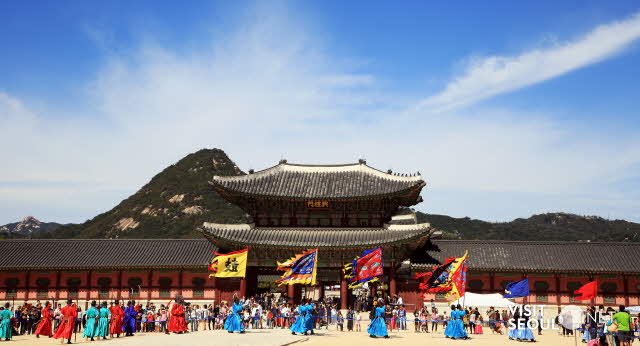
Gyeongbokgung Palace was the first and largest of the royal palaces built during the Joseon Dynasty. Built in 1395, Gyeongbokgung Palace was located at the heart of the newly appointed capital of Seoul and represented the sovereignty of the Joseon Dynasty. Visitors can watch the Changing of the Guard ceremony and explore traditional Korean architecture. You can also visit the National Palace Museum of Korea and the National Folk Museum of Korea, which are located on the palace grounds.
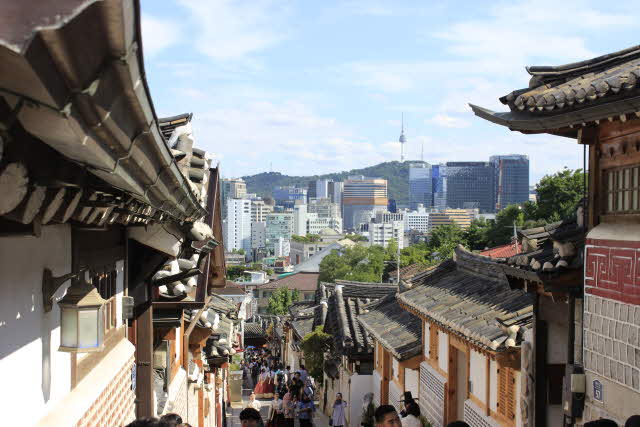
Bukchon Hanok Village reflects 600 years of Seoul's history. The village is situated between Gyeongbokgung and Changdeokgung Palaces, and its streets are lined with traditional Hanok houses. Unlike other hanok villages, Bukchon was not created for tourists; it is a residential area inhabited by Seoulites. Here, hundreds of hanoks sit shoulder to shoulder. Bukchon Hanok Village has been loved by many as a travel destination in Seoul, as the charm of the traditional hanok is being rediscovered.
 Unique Experience
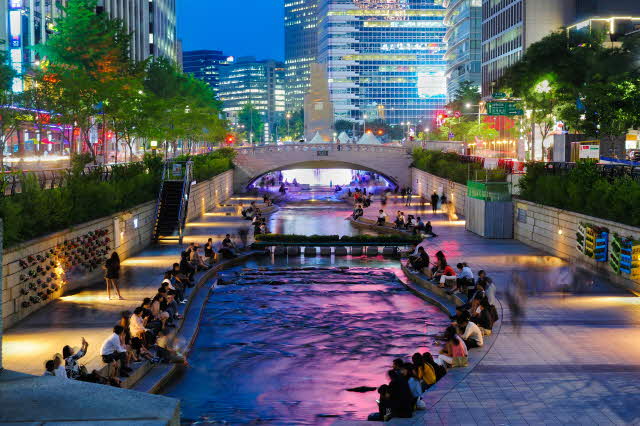
Cheongye Stream, known as Cheonggyecheon in Korean, runs eastward through the heart of Seoul, passing through 13 neighborhoods in four districts of the capital of South Korea. The Cheongye Plaza is decorated with fountains, waterfalls, and walking paths. It was created as a place for meetings, harmony, peace, and unification, to celebrate the significance of the restoration of Cheonggyecheon Stream. There are interpretive panels about the 22 bridges that cross the stream.
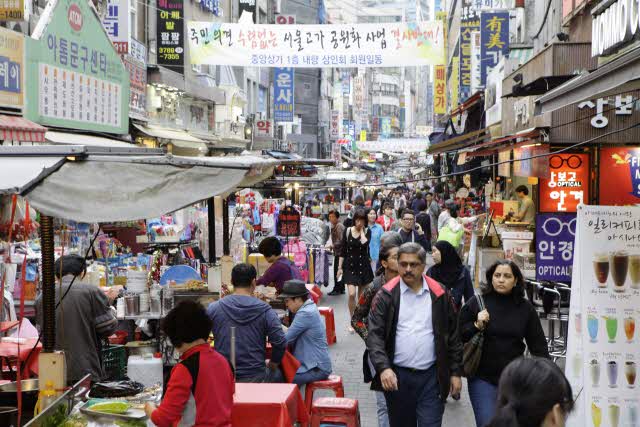
Opened in 1964, Namdaemun Market is the largest traditional market in Korea, with shops selling a wide range of goods. All products are sold at affordable prices, and the stores in this area also function as wholesale markets. Namdaemun Market sells a variety of clothes, glasses, kitchenware, toys, mountain gear, fishing equipment, stationery, fine arts, accessories, hats, carpets, flowers, ginseng, and imported goods.
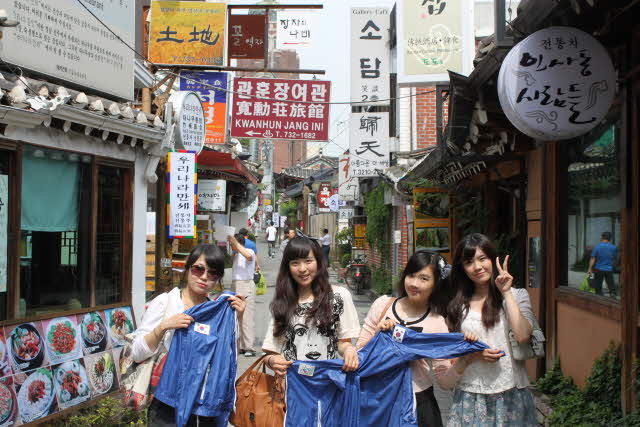
Insadong Cultural Street is a popular tourist destination for visitors from all around the world, thanks to its numerous art galleries, restaurants serving Korean table traditional teahouses, and street vendors. Its most recognizable feature is the use of Hangeul on storefronts, which allows visitors to really see what makes this place so special. Insadong Cultural Street has wider streets and larger stores, making it much easier to traverse.
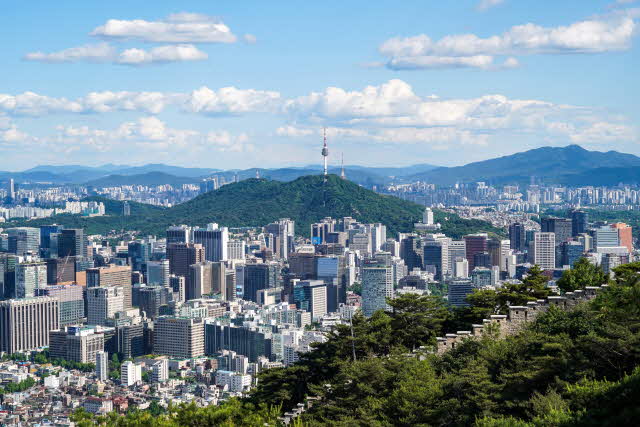
The Seoul City Wall was built to demarcate Seoul's boundaries, assert the Joseon dynasty's authority, and protect the capital from external invasions. Constructed in 1396, the wall follows the ridgelines of Mt.Bukaksan, Naksan, Namsan, and Inwangsan, known as the inner four mountains. The wall stands approximately 5 to 8 meters high on average, with a total length of about 18.6 kilometers.
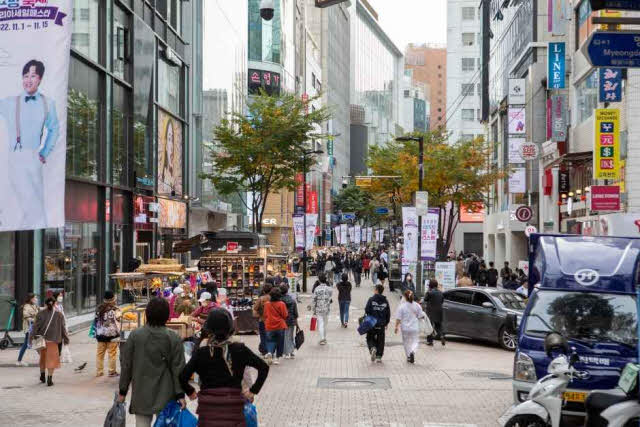
Myeong-dong is one of Seoul's primary shopping districts. The two main streets meet in the center of the block, with one beginning from Myeong-dong Subway Station (Seoul Subway Line No. 4) and the other from Lotte Department Store at Euljiro. Many brand-name shops and department stores line the streets and alleys. Standard products for sale include clothes, shoes, and accessories.
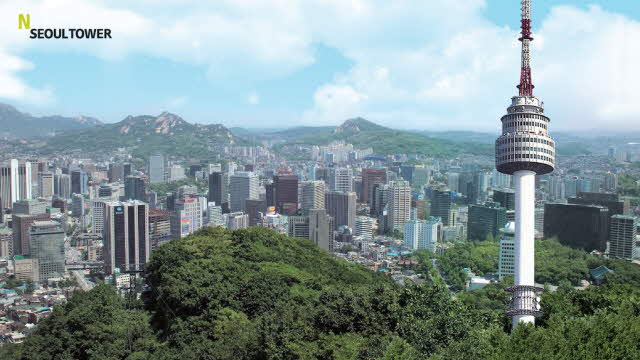
Built on a 262-meter peak in Namsan Park, the tower reaches 480 meters above sea level. When the weather and pollution levels cooperate, visiting the observation tower (370 meters above sea level) lets you see the entire city and surrounding areas. Namsan Seoul Tower was the first multipurpose tower in Korea, effectively combining a sightseeing observatory with a broadcasting tower.
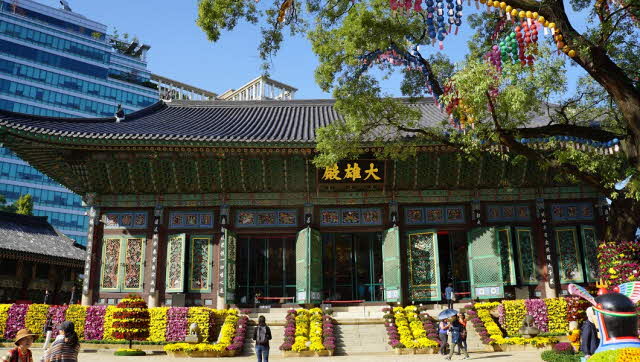
As the main temple and the district head temple of the Jogye order in Seoul, Jogyesa Temple is the center of Korean Buddhism. The temple was built in the late 14th century during the Goryeo period, but was destroyed in a fire. It was rebuilt as Gakwangsa Temple in 1910. The temple was designated as the head temple of Korean Buddhism and renamed Tegosa Temple in 1936.
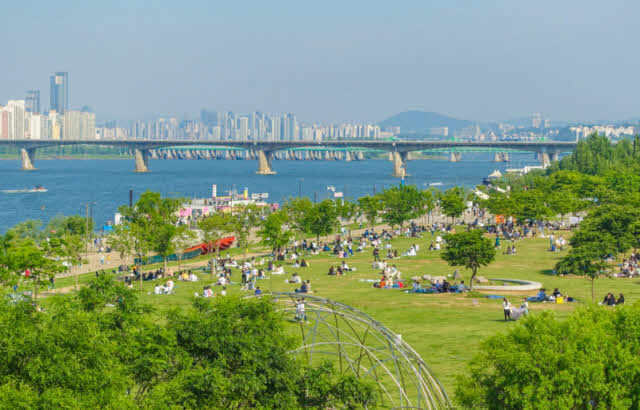
Han River Park is a park system comprising 12 parks in Seoul. Banpo River Park is located on the southern side of the river, centered on Banpo Bridge between Hamnam Bridge and Dongjak Bridge. The Rainbow Fountain, built on both sides of Banpo Bridge, was registered in The Guinness Book of Records in 2008 as the longest bridge fountain in the world, measuring 1,140 meters. There are more things to see and enjoy.
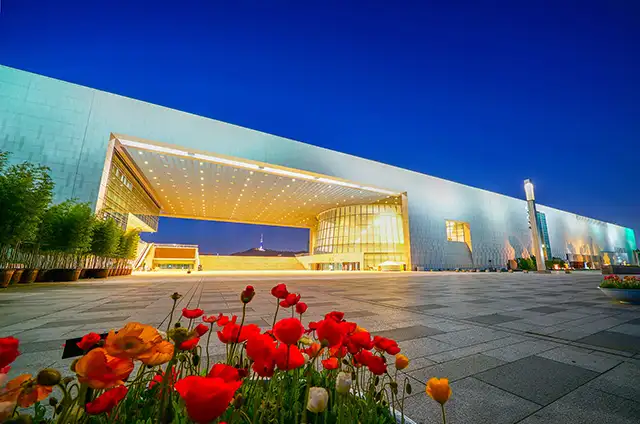 Most Popular
The National Museum of Korea is home to today's best collection of history and culture deeply rooted within the Korean people. Regular exhibitions and education programming speak of the numerous anecdotes about the nearly 420,000 historical artifacts collected over thousands of years, while also offering realistic digital animations and VR technology to provide a more impactful experience.
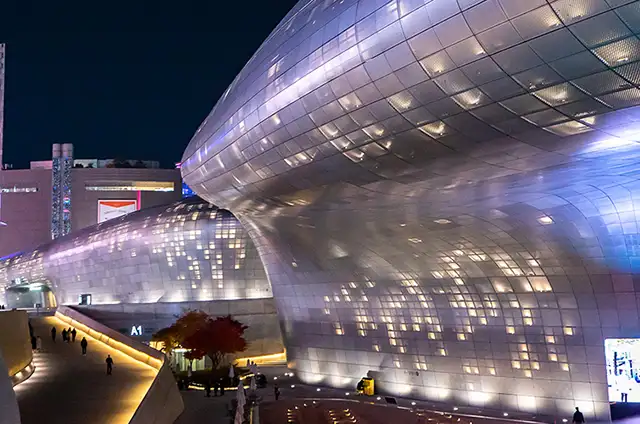
Dongdaemun Design Plaza (DDP) is a landmark that represents Seoul’s creative industries and design culture. It serves as a multi-purpose cultural platform hosting exhibitions, fashion shows, performances, conferences, and more. Designed by world-renowned architect Zaha Hadid, its curved structure and futuristic design stand out. By night, it transforms into a stunning nightscape with lights, making it one of Seoul’s top destinations.
Find the perfect tour that matches your interests
Palaces, temples, and traditional villages

Skyscrapers, shopping, and nightlife

Mountains, parks, and scenic spots

Markets, restaurants, and street food

Museums, galleries, and performances

Night markets and illuminated landmarks

One-day Snow experience tour from Seoul

Explore non-tourist spots where you can experience genuine local flavors
Explore our tour destinations across Korea
Our tours cover Seoul metropolitan area and major destinations across South Korea.
Contact us for custom routes and multi-day tour packages.
Choose your destination and let's create unforgettable memories together
